
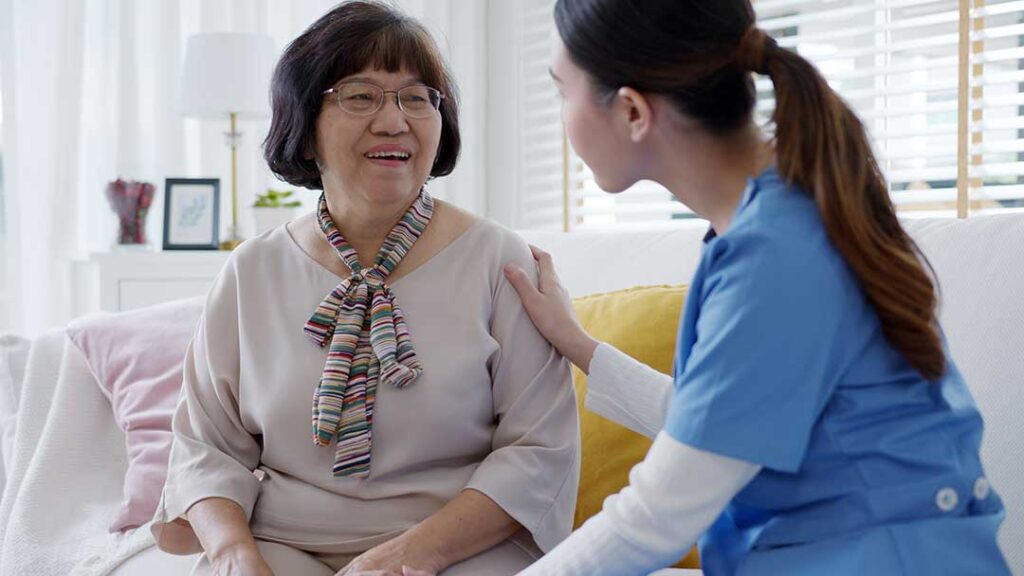
Can Couples Live Together in Assisted Living?
Yes, many assisted living communities allow couples to live together, often in shared apartments or suites. This option is increasingly recognized as valuable for local seniors who wish to remain together as they age, especially in areas like Baden, PA, where couples may have spent decades building their lives together in the same home and community.
Assisted living settings typically offer a range of living arrangements, allowing couples to maintain their privacy and independence while accessing support based on their individual needs. For households considering the move, it’s useful to ask about the variety of room layouts and how care can be customized for both people in the relationship.
How Are Care Needs Managed When Couples Have Different Needs?
Assisted living communities can adapt to couples with differing care requirements. Each resident receives a personalized assessment to determine their individual support plan.
If one person in the couple requires more help with daily activities (such as mobility, bathing, or medication management) than the other, the care team can provide targeted support for that individual while allowing the more independent spouse to maintain their autonomy. This approach helps preserve each person’s dignity and strengthens the well-being of both partners.
Some examples:
- One partner might get help with bathing and dressing, while the other organizes social outings or enjoys mealtimes together.
- If care needs change over time, support services and safety accommodations can be adjusted without requiring the couple to live apart.
- In rare cases where one partner develops complex health needs, the community may help arrange for additional resources or transitions that minimize disruption to their living situation.
What Are the Benefits for Couples Staying Together?
Couples often maintain a higher quality of life when they stay together in an assisted living setting. Emotional connection is a key aspect—partners can support each other through transitions and maintain their shared routines.
Benefits include:
- Emotional comfort and companionship, reducing feelings of loneliness or isolation.
- Shared activities and meals that sustain familiar habits.
- Collaboration in planning care, household decisions, and visiting family and friends.
- Less stress during life changes, such as adapting to new surroundings or managing health concerns.
Locally, many couples retain strong social networks within the community. Having a partner alongside can make it easier to settle in, make new friends, and continue to participate in familiar community events or religious services.
What If One Spouse Needs Memory Care?
If one spouse experiences cognitive changes or a diagnosis such as dementia, assisted living communities often provide flexible solutions. In some cases, support can be provided within the couple's residence. If the cognitive condition progresses, there may be an option for the partner to stay close—either in a connected memory care wing or through daily visits if the couple prefers separate arrangements.
Local families sometimes imagine that a dementia diagnosis means automatic separation, but many assisted living communities can help couples adapt together for as long as safety and well-being allow. Open discussions with the care team early in the process can clarify what options are available and how transitions would be handled if needed.
Will Couples Pay Twice as Much for Assisted Living?
Costs are often a top concern when couples consider assisted living. Generally, there is a base fee for the living space plus additional charges for each resident’s care needs. Couples sharing a unit typically pay less than two individuals in separate apartments, though there will be an extra fee for the second person.
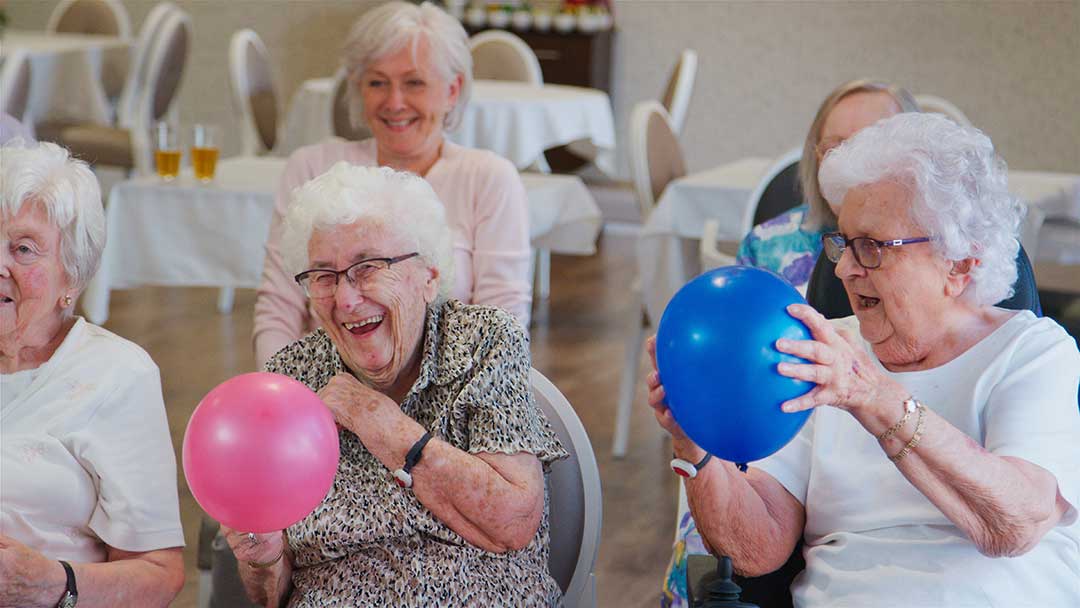
Local households should expect fees to vary based on apartment size, level of care, and services needed. Some couples adjust their living arrangements—for example, by choosing a studio rather than a larger suite—to align with their budget while still prioritizing care and comfort.
What Should Couples Ask When Touring Communities?
When considering assisted living, it’s helpful to ask:
- Are there apartments or suites specifically designed for couples?
- How is individualized care coordinated for both partners?
- What happens if one partner needs more intensive support or a different type of care?
- How are privacy and togetherness balanced in daily routines and care?
- Are there opportunities for both partners to participate in activities together and apart?
- What support is available if one partner’s health changes rapidly?
A thoughtful visit, observing shared spaces and staff interactions with couples, can provide insight into whether a community is experienced in supporting partner relationships.
How Do Area Traditions and Climate Affect Couples in Assisted Living?
Baden’s climate and small-town traditions can influence daily life for couples in assisted living. With four distinct seasons, local communities often feature cozy indoor common areas for winter and outdoor patios or walking paths for spring and fall. Couples who enjoy gardening, seasonal decorating, or attending local events may find these traditions continue in their new home, fostering a smooth transition.
The area’s close-knit neighborhoods can also make it easier for couples to remain connected to family and community events. Proximity to familiar parks, worship centers, and recreational opportunities—combined with supportive transportation options—enables couples to stay involved in the rhythms of local life.
Are There Common Misconceptions About Couples in Assisted Living?
A frequent misunderstanding is that moving to assisted living means sacrificing independence or intimacy. In reality, many couples rediscover quality time together as daily burdens like home upkeep and meal preparation are relieved. Some worry that care staff will interfere with privacy, but professional teams are trained to adapt to each couple's preferences for togetherness or alone time.
Another misconception is that both spouses must need the same level of care; in practice, varying needs can usually be managed under the same roof, with flexibility as health conditions change.
