

How Does Assisted Living Support Active Living for Older Adults?
Assisted living communities are designed to make it easier for residents to maintain an active, engaged lifestyle into their later years. In Baden, PA, this often means balancing physical activity, social opportunities, and safe access to amenities that promote movement and connection. Residents frequently ask if moving into assisted living means giving up independence or staying active; the answer is that these communities are structured specifically to encourage both.
Assisted living provides supportive environments with fewer physical barriers than typical homes. Features like step-free walkways, handrails, and emergency response systems all enable residents to move around confidently and safely. Scheduled group activities, exercise programs, and opportunities to engage with peers help make regular movement and social experiences part of daily routines.
What Kinds of Activities Are Offered?
Most assisted living settings offer a wide variety of activities tailored to different mobility levels and interests. In many community buildings found throughout the region, residents can choose from:
- Group fitness classes, such as chair yoga, tai chi, or low-impact aerobics
- Walking clubs that use indoor corridors or landscaped outdoor paths, useful during wet or icy Pennsylvania seasons
- Arts, crafts, and educational workshops that encourage creativity and socialization
- Card games, book clubs, and discussion groups that foster mental engagement and cognitive activity
Importantly, these activities are not limited to the physically able or extroverted. Programs are typically designed to include adaptations for different abilities, making it easy for people to participate at their own comfort and energy level.
How Are Bad Weather Days Handled?
The varied climate in this part of Pennsylvania — with its snowy winters, rainy springs, and humid summers — can present challenges for staying active outdoors. Assisted living communities anticipate these challenges and offer indoor spaces dedicated to activity, so residents are not stuck in their rooms during inclement weather. Features include:
- Multi-purpose rooms for fitness, recreation, or events
- Heated indoor walking areas or corridors designed for movement
- Accessible game rooms, libraries, and hobby spaces
Staff also adjust activity calendars seasonally, increasing indoor programs when outside conditions are less inviting. This flexibility helps residents maintain routines regardless of weather.
Are Residents Encouraged to Stay Independent?
Maintaining a sense of independence is a foundational element of modern assisted living. The goal is to support residents in making choices about how and when to engage in activities, rather than dictating schedules or routines. This approach helps residents continue to make decisions about their own lives, which can promote self-confidence and mental well-being.
For example, residents can typically decide:
- Which activities to join, and when
- Whether to spend time alone or socialize with neighbors
- When to take walks, join meals, or participate in outings
Staff encourage participation but respect personal preferences. Independence and activity often go hand-in-hand, as the ability to choose is motivating for many people.
What About Common Misconceptions?
A frequent misconception is that assisted living is passive or restrictive. Some imagine households where residents spend most of their day sitting, isolated, or unable to take an active role in their own life. In reality, modern assisted living communities are built around the opposite idea. Most buildings are easy to navigate and provide regular chances for movement and interaction.
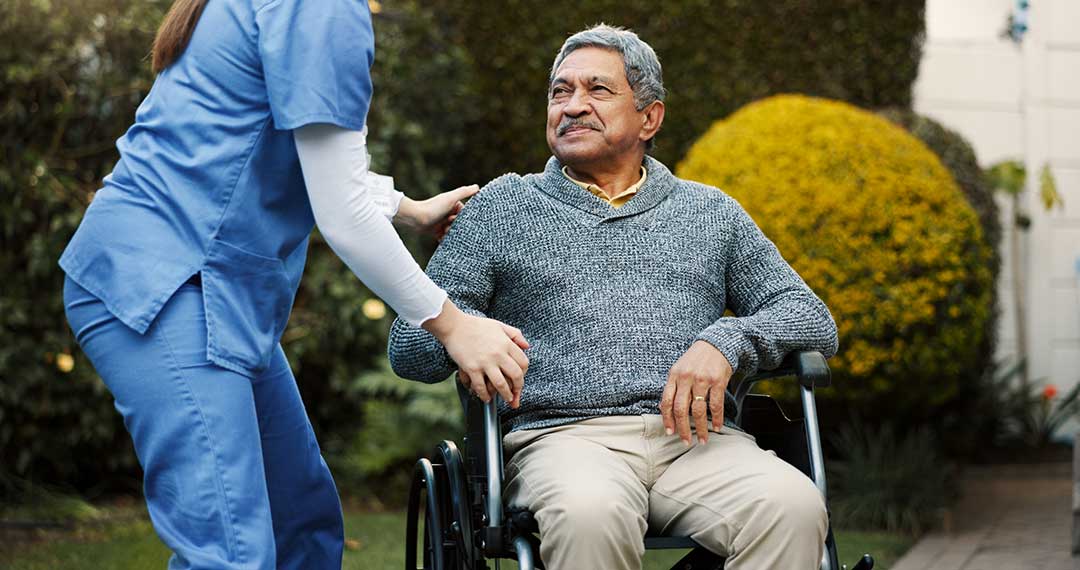
Another misconception is that fitness or movement activities are only for the physically robust. In practice, many activities are designed to be as gentle or challenging as each person needs, often in consultation with staff experienced in adaptive movement or aging.
What Supports Are Offered for Those With Mobility Challenges?
Assisted living is particularly effective for individuals facing mild to moderate mobility difficulties that may make living at home less safe or practical. For residents who use walkers, wheelchairs, or have other limitations, several forms of support make daily movement more possible:
- No-step entryways and wide halls for easy navigation
- Elevators and seated lifts in multi-story buildings
- Personal assistance for transfers, dressing, or moving longer distances if needed
- Staff-led mobility improvement classes, such as stretching or balance exercises
These supports are not only practical but also contribute to reducing fall risk and maintaining physical health for longer.
How Does the Local Setting Influence Activity Options?
Life in Baden, with its blend of quiet neighborhoods and accessible green spaces, adds unique options for activity. Some communities integrate garden clubs, outdoor seating areas, or scheduled outings to local parks and cultural events, in line with the area’s seasonal rhythms. The regional emphasis on gardening and nature walks, for example, can be found in resident-led programs that make use of available outdoor space when weather allows.
The smaller-town feel of this community also supports walking and gathering safely outside of busy traffic, particularly on level sidewalks or community patios.
What Role Does Socialization Play in Staying Active?
Physical activity is just one part of a full, active lifestyle. Social opportunities — from communal meals to game nights — help residents build connections and maintain mental and emotional health. Group activities are structured to encourage participation, but are optional rather than required, blending social interaction with independence.
Isolation is a risk factor for physical and mental health decline among older adults. The community style of assisted living can counteract this, providing daily opportunities for connection that aren’t always available in traditional home settings.
Can Residents Set Their Own Pace?
Everyone’s needs and abilities are different, and the pace of life in assisted living is designed to reflect that. Residents can adjust their participation over time, scaling up or down as their energy or mobility changes. Staff are trained to recognize shifts in health or preference and can suggest new activities or alternatives that align with residents’ interests and abilities.
There is no expectation that every person joins every program. Instead, the focus remains on supporting each resident’s unique path to remaining active, engaged, and as independent as possible.
