
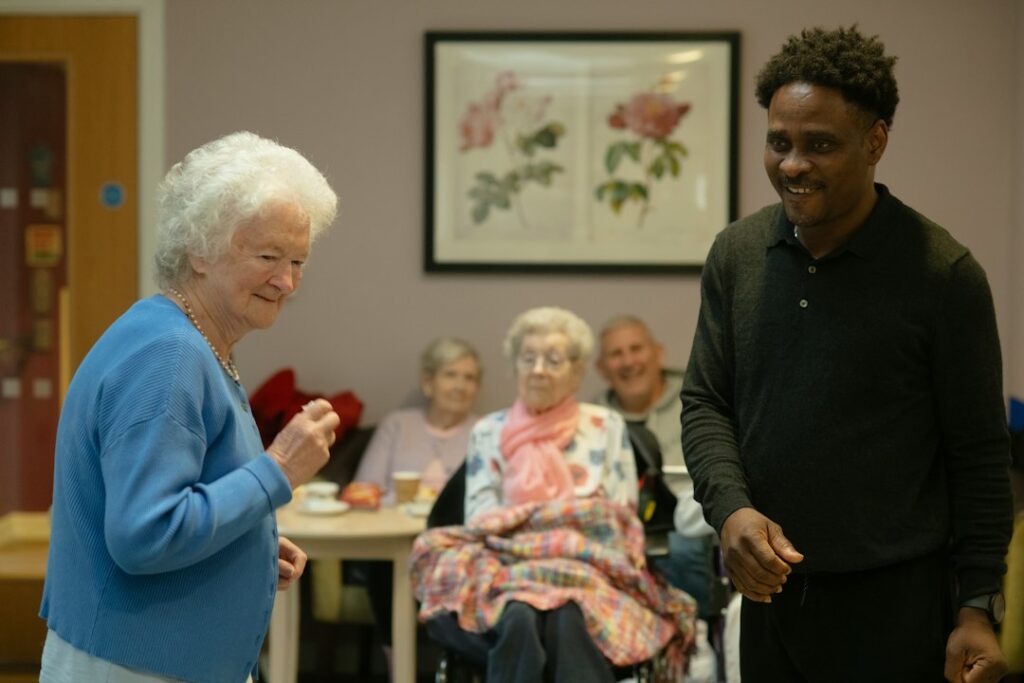
Healthy aging in assisted living is supported by consistent routines, regular movement, nourishing meals, meaningful social contact, good sleep, and prompt attention to changes in health. These habits do not need to be complicated. Small, repeatable choices can help residents maintain strength, confidence, independence, and quality of life.
For residents in Baden, PA, seasonal weather can affect daily activity. Cold temperatures, snow, ice, summer heat, and changing daylight may make outdoor routines less predictable, so indoor options and safe planning are especially useful.
How can assisted living residents stay physically active?
Regular movement helps protect muscle strength, balance, flexibility, circulation, and energy. Activity should match a resident’s abilities and health conditions rather than follow a one-size-fits-all plan.
Useful forms of movement may include:
- Walking in a hallway or other supervised indoor area
- Seated exercises for the arms and legs
- Gentle stretching after waking or before bedtime
- Standing from a chair several times, if safe
- Light balance practice with appropriate support
- Dancing, gardening activities, or recreational games
A short amount of movement spread throughout the day may be more manageable than one long exercise session. Residents who use walkers, canes, wheelchairs, oxygen, or other equipment should follow individualized safety instructions.
Pain, dizziness, unusual shortness of breath, chest discomfort, or sudden weakness should not be ignored. These symptoms may require prompt medical attention, particularly if they begin during activity or are more severe than usual.
What types of food support healthy aging?
Older adults benefit from meals that provide protein, fiber, fluids, vitamins, and minerals. Protein is especially useful for maintaining muscle and supporting recovery from illness or injury. Sources may include eggs, yogurt, fish, poultry, beans, lentils, tofu, and other foods that fit a resident’s dietary plan.
A balanced plate often includes:
- A protein source
- Fruits or vegetables
- Whole grains or another high-fiber carbohydrate
- A source of calcium, such as dairy or a fortified alternative
- Water or another approved beverage
Appetite can decrease with age, medications, changes in taste, dental problems, depression, or illness. A resident who is eating much less than usual, losing weight without trying, coughing during meals, or having difficulty chewing or swallowing should tell the appropriate care team member.
Residents with diabetes, kidney disease, heart conditions, food allergies, or swallowing restrictions may need different nutrition guidance. Dietary changes should be discussed with the person responsible for the resident’s care plan rather than handled through restrictive diets or supplements on one’s own.
How much water should older adults drink?
Adequate fluid intake supports digestion, circulation, temperature regulation, and mental alertness. Thirst may become less noticeable with age, so waiting until thirsty is not always reliable.
Helpful habits include drinking small amounts throughout the day, keeping an approved beverage within reach, and including fluids with meals and activities. Soups, fruit, and other foods may also contribute to fluid intake.
Some residents have fluid limits because of heart or kidney conditions. Others may avoid drinking because they are worried about reaching the bathroom quickly. Frequent urination, fear of falls, or incontinence concerns should be discussed with the care team so that hydration can be managed safely.
Confusion, unusual sleepiness, dry mouth, weakness, dark urine, or dizziness may be signs of dehydration or another health problem. New or worsening symptoms deserve prompt attention.
Why are sleep and daily routines important?

A steady routine can support sleep, appetite, mood, medication timing, and participation in activities. Many residents sleep better when they wake at a similar time, receive daylight during the day, limit long late-afternoon naps, and follow a calming evening routine.
Noise, pain, anxiety, nighttime bathroom trips, medication effects, or sleep-disordered breathing can interfere with rest. Loud snoring, pauses in breathing, repeated nighttime waking, or severe daytime sleepiness should be reported.
Good sleep does not always mean sleeping continuously through the night. A pattern that is normal for one resident may signal a problem for another. Noticeable changes in sleep, alertness, or behavior are worth documenting and sharing.
How can residents protect balance and prevent falls?
Fall prevention is not about avoiding all activity. It is about making movement safer while preserving independence.
Residents can reduce risk by using prescribed mobility devices, wearing secure footwear, keeping frequently used items within reach, and allowing enough time to stand and walk without rushing. Clutter, poor lighting, loose rugs, wet floors, and cords can also create hazards.
Seasonal conditions require extra attention. Ice and snow can make outdoor walking unsafe, while summer heat may contribute to weakness or dehydration. Indoor walking routes, appropriate clothing, and checking conditions before going outside can help residents remain active more safely.
A fall, near-fall, or new fear of walking should be reported even when no injury is apparent. A near-fall may reveal a change in balance, vision, footwear, medication effects, or strength.
How do social activities support healthy aging?
Social connection can help reduce loneliness, encourage movement, stimulate memory, and provide a sense of purpose. Activities are most beneficial when residents have genuine choices and can participate at a comfortable level.
Meaningful options may include conversation groups, music, reading, crafts, card games, spiritual practices, exercise classes, educational programs, or helping with simple community tasks. Family conversations, letters, phone calls, and video chats can also support connection when travel is difficult.
Residents do not need to attend every activity. Someone who prefers quiet conversation, one-on-one visits, or familiar routines may benefit more from those options than from large gatherings. Withdrawal, sadness, irritability, loss of interest, or changes in personal care may indicate depression, grief, pain, medication effects, or another concern.
What can residents do to support memory and independence?
Memory support begins with practical organization. Keeping a consistent location for glasses, hearing devices, personal items, and mobility equipment can reduce frustration. Calendars, written reminders, labeled drawers, clocks, and familiar routines may also help.
Residents can support brain health by staying physically active, engaging in conversation, learning or practicing skills, getting adequate sleep, and managing hearing or vision problems. Treatable issues such as infections, dehydration, medication side effects, poor sleep, or depression can sometimes appear as sudden confusion.
A gradual memory change should be discussed during routine care planning. Sudden confusion, difficulty speaking, facial drooping, one-sided weakness, or a severe new headache requires immediate attention because it may indicate an emergency.
How should residents prepare for seasonal changes?
In Baden, changing weather can affect transportation, outdoor activities, heating and cooling needs, and fall risk. Residents may benefit from planning ahead for winter clothing, safe indoor activity, hydration during warm periods, and adequate lighting during darker months.
Personal emergency information should remain current, including medication lists, allergies, health conditions, emergency contacts, and preferred communication methods. Residents and families should also understand how weather-related changes may affect daily schedules or visits.
Healthy aging is most effective when it reflects the resident’s preferences, abilities, culture, and goals. The purpose is not to follow every recommendation perfectly. It is to notice changes early, maintain safe routines, and support the activities that give daily life meaning.
